Art Pottery Conservatory
Here's the problem with art pottery collecting: the people who know the most about it are getting older. The potteries themselves have closed. Van Briggle shut its doors in 2012. Rookwood has been through bankruptcy and reinvention. The small-town antique dealers who could tell you a piece's history just by looking at the glaze are retiring. And all that knowledge? It's walking out the door with them.
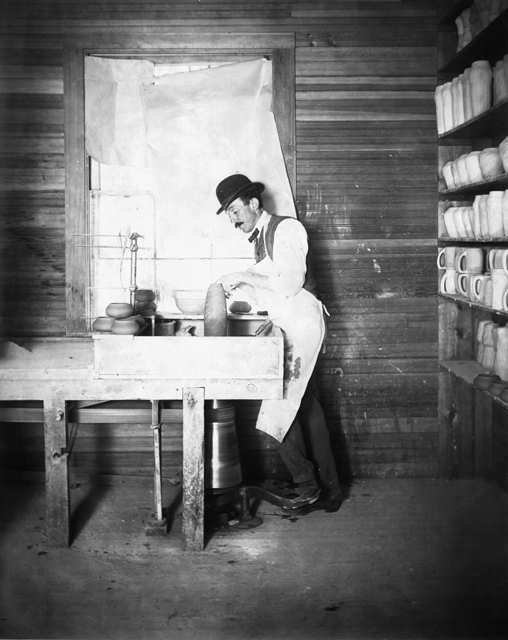
The Art Pottery Conservatory is our attempt to do something about that. The goal is straightforward: collect, organize, and share the kind of practical information that collectors actually need. Not the polished museum descriptions you'll find in art history textbooks. The real stuff. How to tell a 1920s piece from a 1950s piece. What certain glaze colors mean about when and where something was made. Which marks are authentic and which show up on reproductions.
I started this site because I collect Van Briggle, and I couldn't find the information I needed in any one place. Books go out of print. Forum threads disappear when websites shut down. Some of the best resources I've found have been conversations with other collectors at flea markets and antique faires, the kind of information that never gets written down.
What We've Built So Far
This site focuses on Van Briggle pottery, but the conservatory concept is bigger than one brand. American art pottery from the late 1800s through the mid-1900s represents a creative period that won't come again. These pieces were handmade by artists working with local clays and experimenting with glazes in ways that modern mass production doesn't allow for.
Here's what we've put together so far:
- Markings & Identification Guide – How to read the marks on the bottom of Van Briggle pieces. Includes museum reference photos from the Met's Ellison collection alongside examples from my own shelves.
- Van Briggle at the Met – Every Van Briggle piece in the Metropolitan Museum of Art's collection, with high-resolution public domain photos and the kind of details you'd want if you were standing in front of the cases.
- Values & Prices – An honest take on what Van Briggle pottery is actually worth. No inflated appraisal numbers, no Antiques Roadshow fantasy pricing.
- Gallery – High-resolution photographs of historic pieces from the Met, the de Young, and other public domain sources.
- Blog – Collecting stories, research tips, and the occasional find from the local antique faire.
The Bigger Picture

Van Briggle wasn't making pottery in a vacuum. The American art pottery movement included dozens of companies, each with their own character. Rookwood in Cincinnati. Roseville and Weller in Zanesville, Ohio. McCoy, Haeger, Fulper, Grueby, Newcomb College. Some are heavily collected and well-documented. Others are still relatively obscure, with identification guides scattered across out-of-print books and old collector forums.
What makes Van Briggle a good starting point for a conservatory like this is that it's still undervalued compared to those bigger names. Roseville and Rookwood have been collected hard for decades. Prices peaked, then fell as the market got saturated with inventory. Van Briggle hasn't reached that point yet, which means there are still interesting pieces available at reasonable prices. It also means there's still time to document what we know before the generation that remembers these potteries firsthand is gone.
Where You Come In
If you collect art pottery, you know things. You might know how to distinguish a particular glaze period, or you inherited pieces from someone who bought them directly from a pottery. You've spent years researching a specific designer or shape number. That information has value, and it shouldn't live only in your head or in a box of notes in your closet.
We're looking for contributions of all kinds:
- Photos of pieces with clear shots of the bottom markings. These are the single most useful thing for building identification resources.
- Provenance stories about how pieces were acquired, especially for pre-1920 items where documentation is sparse.
- Corrections to anything on this site. If I've got something wrong, I'd rather know about it than keep publishing bad information.
- Technical knowledge about glazes, clays, firing techniques, or production methods. Working potters and restorers know things the rest of us don't.
- Research leads like auction catalogs, old magazine articles, or reference books that other collectors should know about.
Everything contributed will be credited to you unless you prefer otherwise. The goal is to build something useful that outlasts any one collector's lifetime.
Contribute to the Conservatory
Send photos, information, corrections, or just introduce yourself. Every contribution helps build the archive.
Email UsResources for Collectors
Beyond this site, here are some places worth knowing about if you collect American art pottery:
- The Metropolitan Museum of Art has an excellent online collection with high-resolution, public domain images. Their Collection Search is a good starting point.
- The Smithsonian American Art Museum holds art pottery in their decorative arts collection, searchable online.
- Replacements, Ltd. maintains a large database of pottery patterns and shapes that can help with identification, even if you're not buying.
- Auction house archives at Rago, Treadway, and others keep past results searchable. These are useful for tracking actual sale prices over time.
If you know of a resource that should be listed here, let us know. The whole point of a conservatory is that it grows.