Van Briggle Pottery for Sale: The Complete Buying Guide
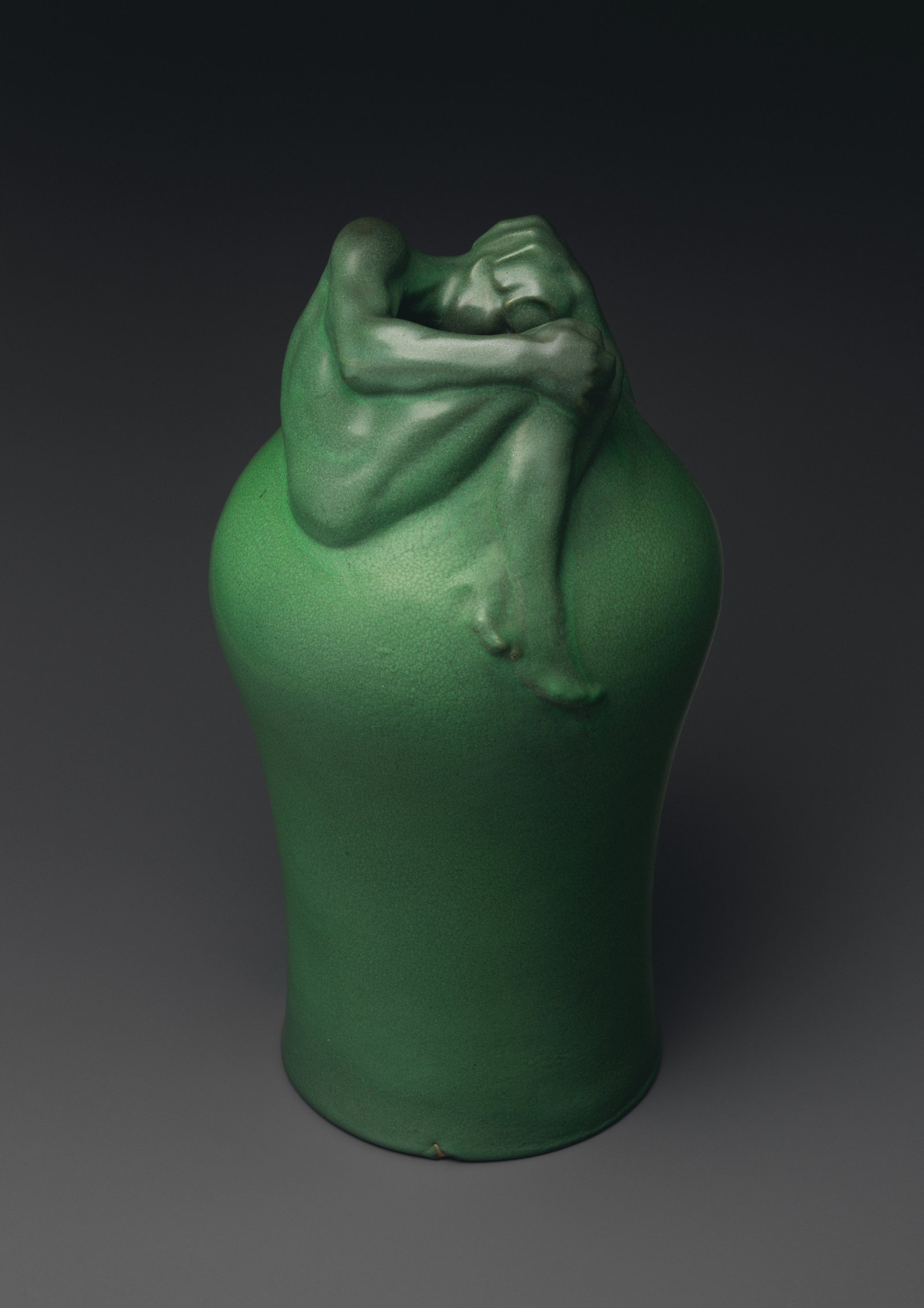
Van Briggle pottery has been one of America’s most collectible art pottery traditions since Artus Van Briggle founded his Colorado Springs studio in 1901. With its distinctive matte glazes, flowing Art Nouveau forms, and more than a century of continuous production, Van Briggle appeals to everyone from casual antique shoppers to serious ceramics collectors willing to spend six figures on a rare early piece.
Whether you’re a seasoned collector hunting for a specific early design, or you just discovered a piece at an estate sale and want to know what it’s worth, this guide covers everything you need: where to buy Van Briggle pottery, what to pay, how to verify authenticity, and how to build a meaningful collection without overpaying.
The good news is that Van Briggle pottery is widely available across multiple marketplaces, and prices span a huge range — from $20 for a common modern piece to over $100,000 for the rarest early works. There is genuinely something for every budget. The key is knowing where to look and what to look for.
Where to Buy Van Briggle Pottery
Van Briggle pottery turns up in a surprising number of places, from major online marketplaces to small-town antique shops in Colorado. Each venue has its own advantages, typical price ranges, and quirks. Here is a detailed rundown of where collectors actually find pieces today.
eBay
eBay remains the single largest marketplace for Van Briggle pottery. At any given time you will find several hundred active listings, ranging from $20 modern production pieces to early vases priced at $5,000 or more. The sheer volume means you can find nearly any form, glaze, or era if you are patient.
The most important tip for eBay buying: use the “Sold Items” filter to see what pieces actually sell for, not what sellers are asking. Asking prices on Van Briggle are often wildly inflated. Also try searching for “van brickell” and other common misspellings — some of the best deals come from general estate sellers who don’t know what they have and can’t spell the name correctly. These listings get far fewer views and far less competition.
Etsy
Etsy offers a more curated selection of Van Briggle pottery, typically with better photography and more detailed descriptions than eBay. Prices tend to run 10–20% higher than comparable eBay listings, but pieces are often in better condition and more accurately described. Etsy is particularly good for the $100–$400 range — mid-century pieces in popular glazes that make great display items or gifts.
LiveAuctioneers & Invaluable
These auction aggregators connect you to hundreds of auction houses worldwide and are the best source for rare, early Van Briggle pieces. When museum-quality works come to market, they almost always appear here. Recent standout sales at Rago Arts & Auction Center include a 1902 Despondency vase that sold for $100,800 in January 2024, a 1902 Toast Cup at $32,760, and a 1902 Lorelei vase at $25,200.
Both platforms are free to register and let you set alerts for “Van Briggle” across all participating auction houses. The buyer’s premium (typically 20–25%) adds to the hammer price, so factor that into your bidding.
1stDibs & Ruby Lane
These higher-end dealer platforms feature curated selections with premium pricing but excellent authentication standards. 1stDibs typically has 60–70 Van Briggle pieces listed at any time, ranging from mid-century production to early rarities. Ruby Lane attracts knowledgeable dealers who often provide detailed provenance information. You will pay more here than on eBay, but the risk of misattribution is much lower.
JustArtPottery.com
A specialist art pottery dealer with a dedicated Van Briggle section. Current inventory typically ranges from $109 to $3,276, with pieces well-described and accurately photographed. What sets specialist dealers apart is their willingness to stand behind attributions and answer questions about specific pieces — something you won’t get from a general eBay seller.
JMW Gallery
Located in Cambridge, Massachusetts, JMW Gallery has been dealing in American art pottery since 1983. They focus on early and high-quality pieces, with Van Briggle inventory typically in the $1,295–$4,995 range. JMW is worth following for serious collectors because they handle estate collections and sometimes offer pieces that haven’t been on the market in decades.
Cottone Auctions
This regional auction house regularly includes Van Briggle in their decorative arts sales. Recent results in the $147–$345 range make Cottone a good hunting ground for mid-century pieces at reasonable prices. Regional auction houses in general are worth watching because they attract less competition from national collectors, keeping prices lower than the big houses.
Estate Sales & Antique Shows
The absolute best deals on Van Briggle pottery come from estate sales where the liquidators don’t recognize the maker. A piece marked at $15 because it looks like “an old green pot” might be a desirable early form worth hundreds. We’ve documented finds like this in our blog, including a flower frog bought for $15 at a local sale.
To maximize your chances: get on mailing lists for estate liquidation companies in your area, arrive early on the first day of a sale, and know the marks well enough to identify Van Briggle at a glance. Antique faires and shows are also productive — see our antique faire buying guide for tips on negotiating with dealers.
Colorado Springs Antique Shops
Van Briggle was made in Colorado Springs from 1901 until the factory closed in 2012, meaning an enormous amount of pottery stayed local. Antique shops, thrift stores, and estate sales in the Pikes Peak region regularly turn up pieces, often at below-market prices because the local supply is so strong. If you ever visit, budget an afternoon for the antique shops on South Tejon Street and West Colorado Avenue. Dealers there see Van Briggle constantly and sometimes price it to move.
What to Look For When Buying
Buying Van Briggle pottery successfully means training your eye for a few critical details. Whether you are evaluating a piece in person or scrutinizing listing photos online, here is what matters most.
Check the Bottom First
Every genuine Van Briggle piece made between 1901 and 2012 carries the “AA” conjoined monogram on the bottom — the intertwined initials of Artus and Anne Van Briggle. The specific style of this monogram changed over the decades, and learning to read those changes is the single most important skill for dating and authenticating pieces. Our complete Markings & Identification Guide covers every variation with detailed photographs.
Dating Your Piece
The marks on the bottom follow a clear evolution that helps you pin down the era. From 1901 to 1904, pieces bear an incised “VAN BRIGGLE” with a date and often the Roman numeral “III” for the third firing. The 1920s added “COLO. SPGS.” to the marks. Between 1955 and 1968, the distinctive “Anna Van Briggle” script mark appears. From 1970 to 2012, marks were simplified. Earlier pieces are almost always more valuable, so accurate dating directly affects what you should pay. See our full dating guide for the complete timeline.
Condition Red Flags
The most common damage on Van Briggle pottery is rim chips — small flakes on the upper edge where pieces have been knocked over the years. These are sometimes hard to spot in photos, so always ask a seller to photograph the rim from above. Hairline cracks are the next most common issue; hold the piece up to a strong light or run your fingernail around the surface to feel for them. Glaze flaking, while less common, indicates a firing defect that can worsen over time.
Professional repairs are surprisingly common, especially on valuable early pieces. A UV blacklight will reveal most repairs, which fluoresce differently than the original glaze. Also check the base for grinding — some sellers grind down chips on bases to make damage less visible. A mint-condition piece typically commands two to three times the price of an identical piece with damage, so condition assessment directly affects value.
Fakes and Reproductions
True forgeries of Van Briggle pottery are actually quite rare. The matte glazes, specific clay body, and distinctive forms are difficult to reproduce convincingly. The more common problem is misattribution: pieces from other potteries being sold as Van Briggle, or genuine Van Briggle pieces with fake marks added to make them appear older and more valuable than they are. The clay body color is one of the hardest things to fake — Van Briggle’s clays changed over the decades in ways that are well documented in our clay body reference guide. When in doubt, compare the clay color on the bottom of a suspect piece against known examples from the same era.
Van Briggle Pottery Values by Era
Van Briggle values vary enormously depending on when the piece was made. Here is a realistic overview of current market prices based on actual recent sales, not wishful asking prices.
| Era | Period | Price Range | Notes |
|---|---|---|---|
| Artus Van Briggle | 1901–1904 | $1,500–$100,000+ | Rarest pieces. 1902 Despondency sold for $100,800 in January 2024. |
| Anna Van Briggle Era | 1904–1912 | $500–$8,000 | Under Anne’s direction after Artus’s death. Highly collectible. |
| Teens & 1920s | 1912–1930 | $150–$2,000 | “Dirty bottom” pieces. Growing collector interest. |
| Mid-Century | 1930–1968 | $50–$600 | More widely available. Anna Van Briggle mark (1955–68). |
| Modern Production | 1969–2012 | $20–$300 | Most affordable entry point for new collectors. |
These ranges reflect typical sales for pieces in good condition. Exceptional examples — rare forms, unusual glazes, or museum provenance — can exceed the upper end significantly. Damaged pieces sell for substantially less. For a much deeper dive into pricing, see our detailed values and pricing discussion, which includes information on our $10 appraisal service for collectors who want a professional opinion on a specific piece.
Popular Van Briggle Pottery Items
Certain Van Briggle forms are perennial favorites among collectors. These five categories represent the most actively traded and sought-after pieces on the market today. Each guide below includes specific buying advice, price histories, and identification tips.
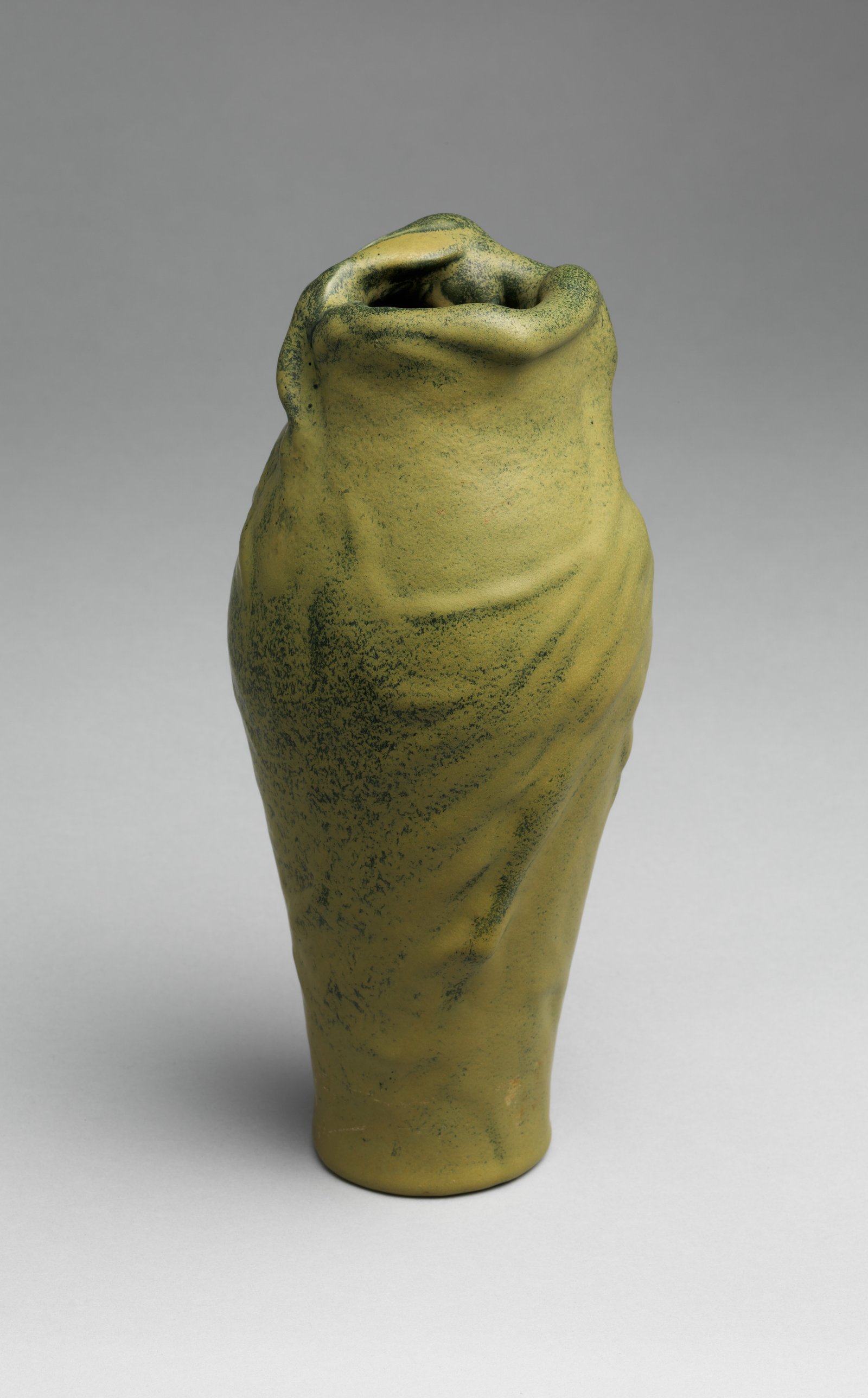
Lorelei Vase
Van Briggle’s most famous design, a woman draped over the vessel rim. Produced continuously since 1901.
$200–$25,000+
Buying guide →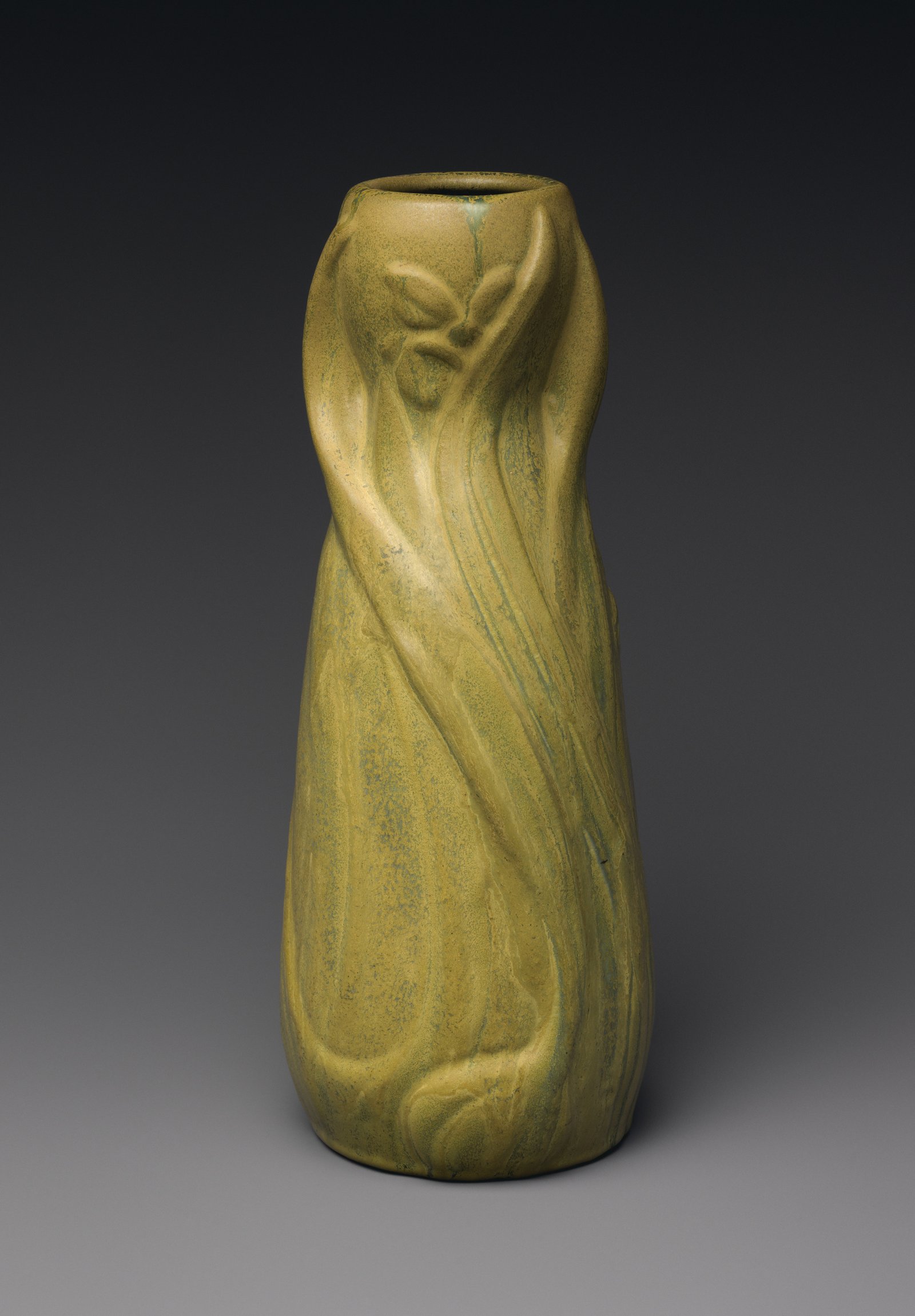
Tulip Vase
One of the most recognizable Van Briggle forms, produced across every era of the pottery’s history.
$30–$2,000
Buying guide →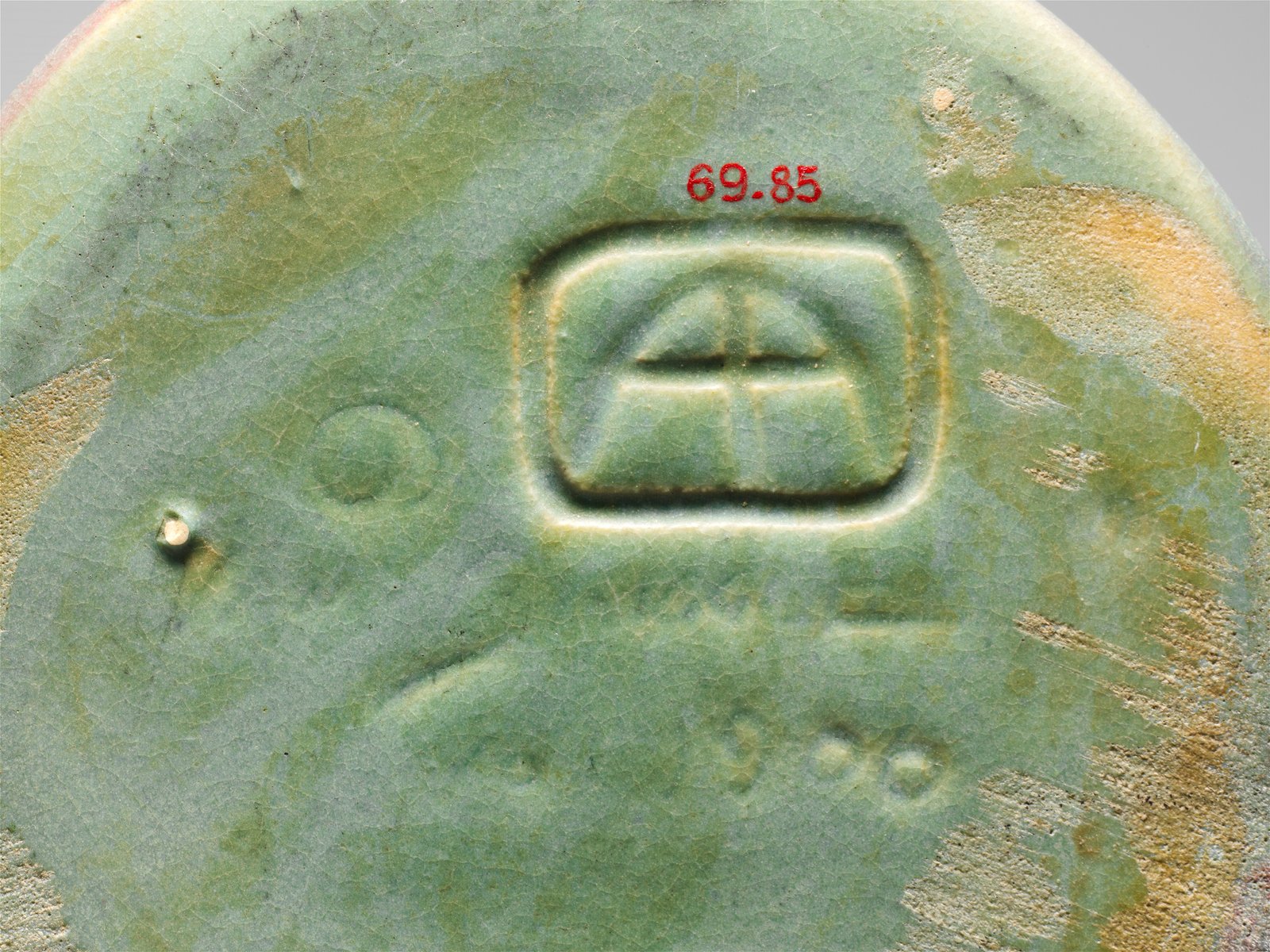
Bud Vase
Elegant small vases in Van Briggle’s signature matte glazes. Perfect starter pieces for new collectors.
$20–$1,000
Buying guide →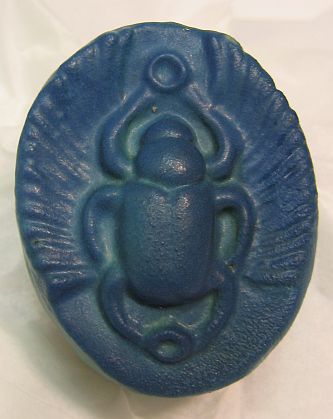
Flower Frog
Decorative flower holders in scarab, fly, and snail designs. Charming and affordable collectibles.
$10–$500
Buying guide →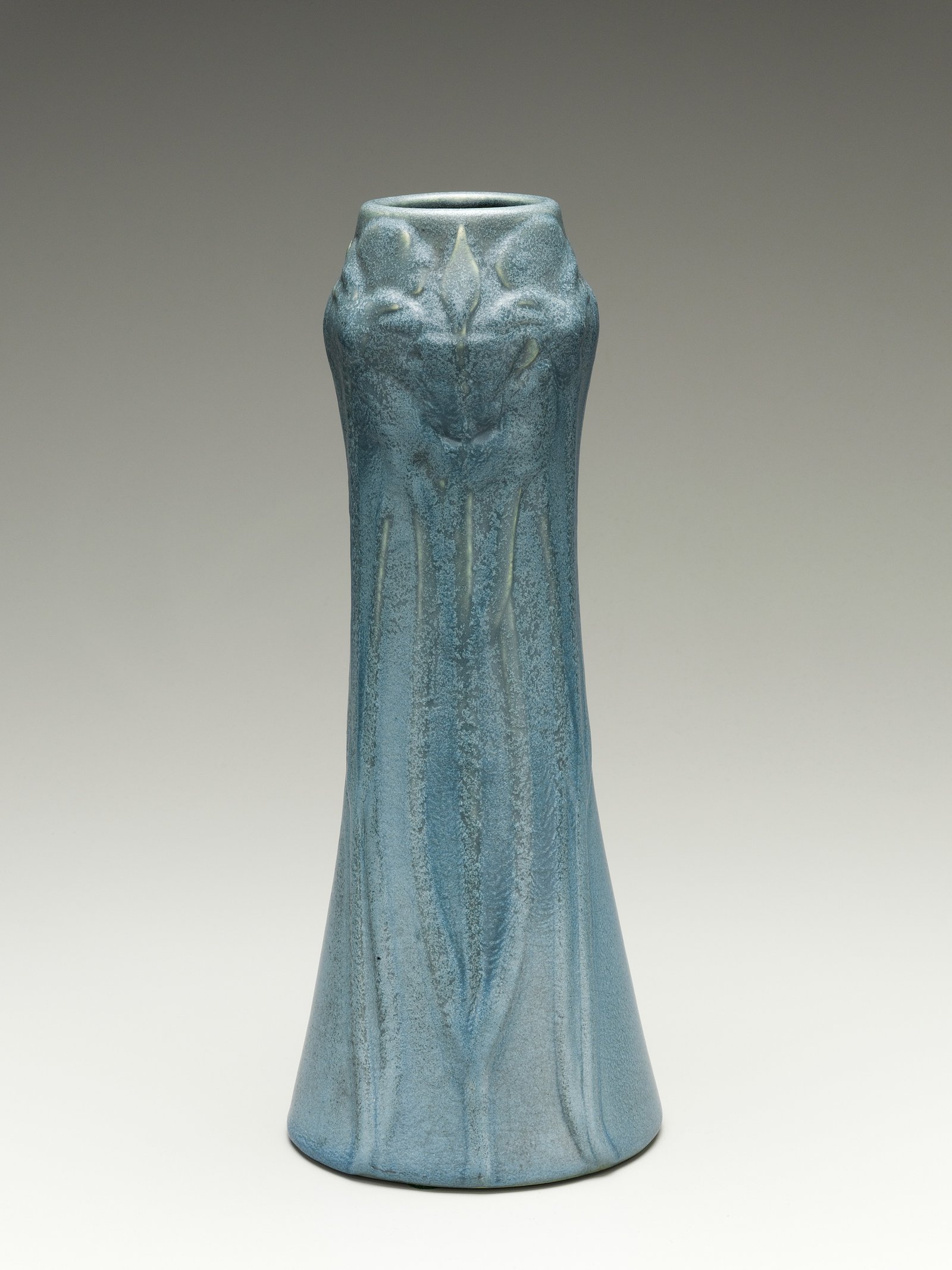
Pitcher
Utilitarian pieces with Van Briggle’s Art Nouveau styling. Found across all eras of production.
$30–$2,000
Buying guide →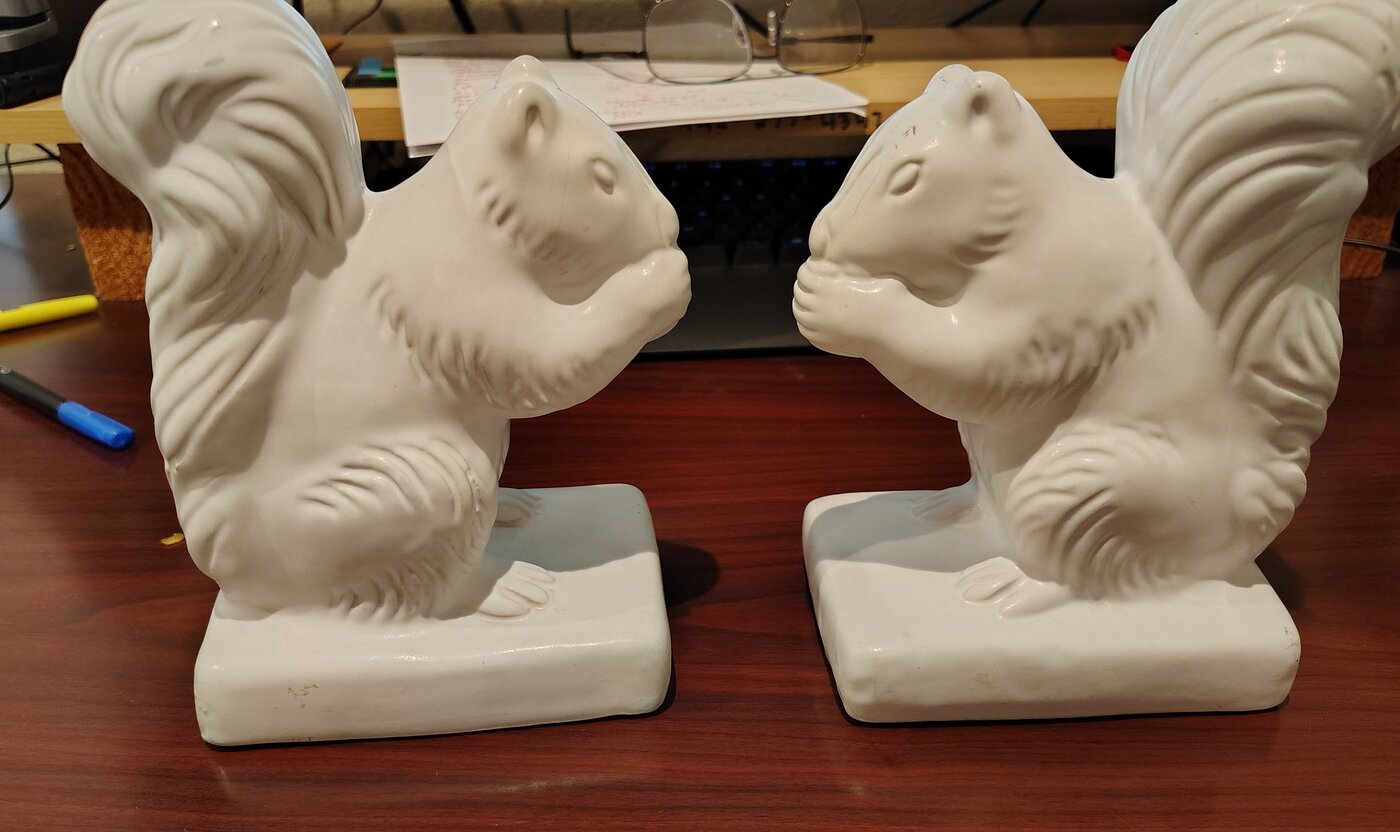
Bookends
Early collectible bears, wolves, and owls plus late commercial squirrels, eagles, dolphins, and conquistadors.
$40–$1,500
Buying guide →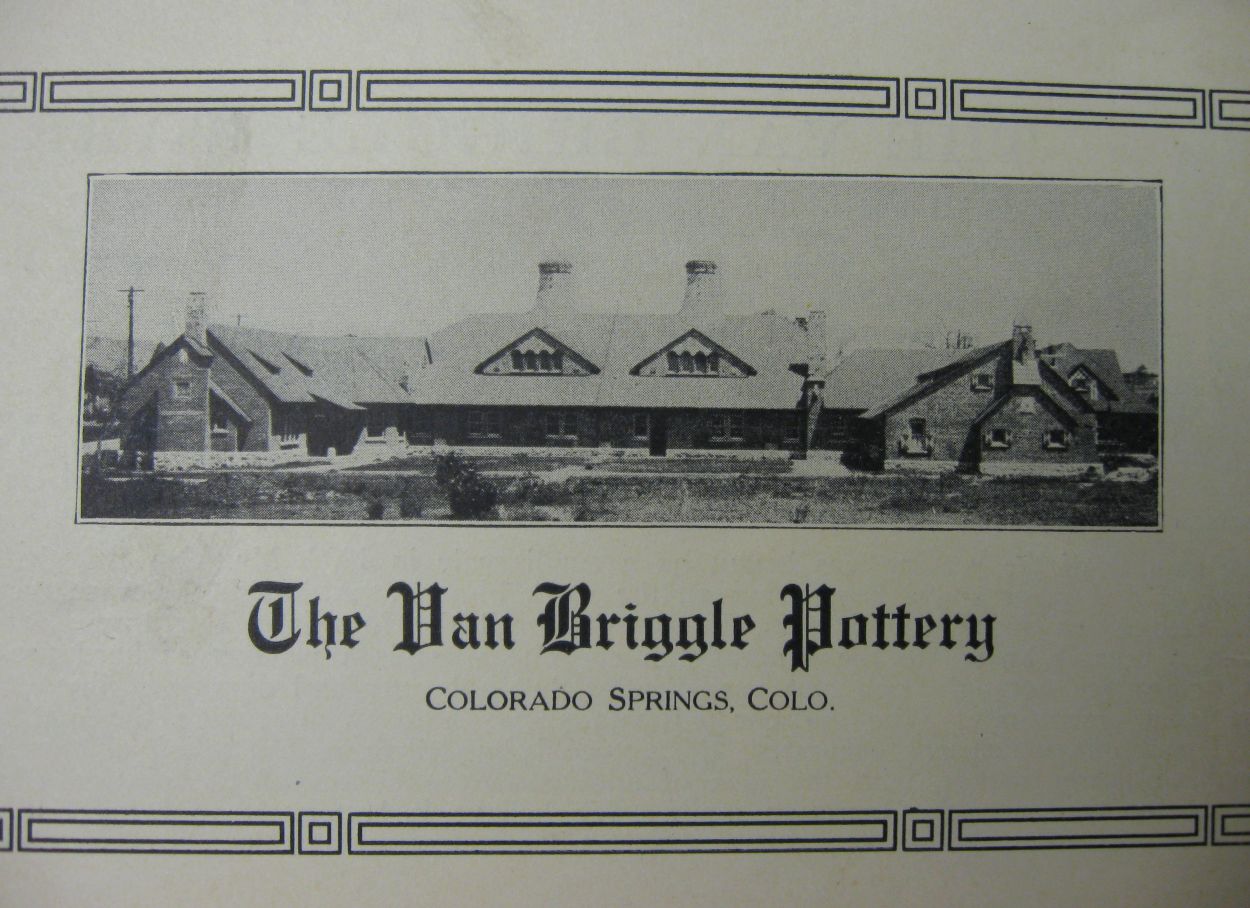
Reference Books
The collector’s library: price guides, marks and identification references, and histories across the major American art potteries.
Browse the books →Tips for Building a Van Briggle Collection
Building a Van Briggle collection is one of the most rewarding pursuits in American art pottery. The range of forms, glazes, and eras means there is always something new to discover. Here are practical tips from experienced collectors.
Start with mid-century pieces ($50–$300) to learn marks and glazes. Before spending serious money on early pieces, buy a few affordable mid-century examples and study them. Handle them, flip them over, examine the marks, feel the clay, learn the weight. This hands-on education is invaluable and will save you from costly mistakes when you start bidding on pricier items.
Focus on a theme. The most interesting collections have a point of view. Some collectors focus on a single glaze — acquiring every form they can find in Persian Rose or Ming Blue. Others collect a specific era, or pursue a single form like the Lorelei across different decades. A focused collection tells a story that a random assortment of pieces never will.
Condition matters more than rarity for display. A perfect mid-century piece in a gorgeous glaze will look better on your shelf than a chipped early vase. Unless you are collecting strictly for investment, prioritize condition. You will enjoy your collection more, and mint pieces hold their value better at resale.
Always photograph bottom marks before buying online. If a seller hasn’t included clear photos of the bottom, ask for them before bidding. The marks tell you the era, and sometimes the specific finisher or glazer. Any reputable seller will happily provide bottom photos on request — if they refuse, walk away.
Handle shipping carefully. Van Briggle’s matte glazes are more vulnerable to abrasion than glossy finishes, and the sculptural forms create stress points during transit. Insist on double-boxing with foam padding — never newspaper alone, which can scratch matte surfaces. For valuable pieces, consider arranging your own shipping with a fine art handler rather than relying on the seller’s packing.
Essential Reference Books
Every serious Van Briggle collector should have these references on their shelf:
- The Collector’s Encyclopedia of Van Briggle Art Pottery by Richard Sasicki — over 800 pieces with identification, dating, and value information. The essential Van Briggle reference.
- The Story Behind the Clay by David Swint — covers specialty and commissioned pieces, the items you’re least likely to find identified elsewhere.
- Collector’s Guide to Van Briggle Pottery by Scott Nelson — another solid identification guide with a different perspective on the pottery’s history.
- Kovels’ American Art Pottery by Ralph Kovel — the broader landscape of American art pottery, with marks and factory histories for dozens of makers including Van Briggle.
For the full collector’s library — price guides, identification and marks references, and histories spanning Rookwood, Roseville, Weller, and the other major American art potteries — see our art pottery reference books guide.
Related Resources
Continue your research with these guides from our reference library.
Values & Prices
Detailed pricing discussion and $10 appraisal service for your specific pieces.
Read more →Markings & Identification
Complete guide to identifying Van Briggle pottery by its bottom markings.
Read more →Dating Your Pottery
Era-by-era guide to determining when your piece was made.
Read more →Glaze Reference
Complete guide to every Van Briggle glaze family from 1901 to present.
Read more →Museum Gallery
Browse our curated collection of museum-quality Van Briggle photographs.
Read more →Buying Tips
Practical buying tips from experienced Van Briggle collectors.
Read more →Research Your Pieces
How to research the history and provenance of your Van Briggle pottery.
Read more →