Van Briggle Pitcher: History, Value & Where to Buy
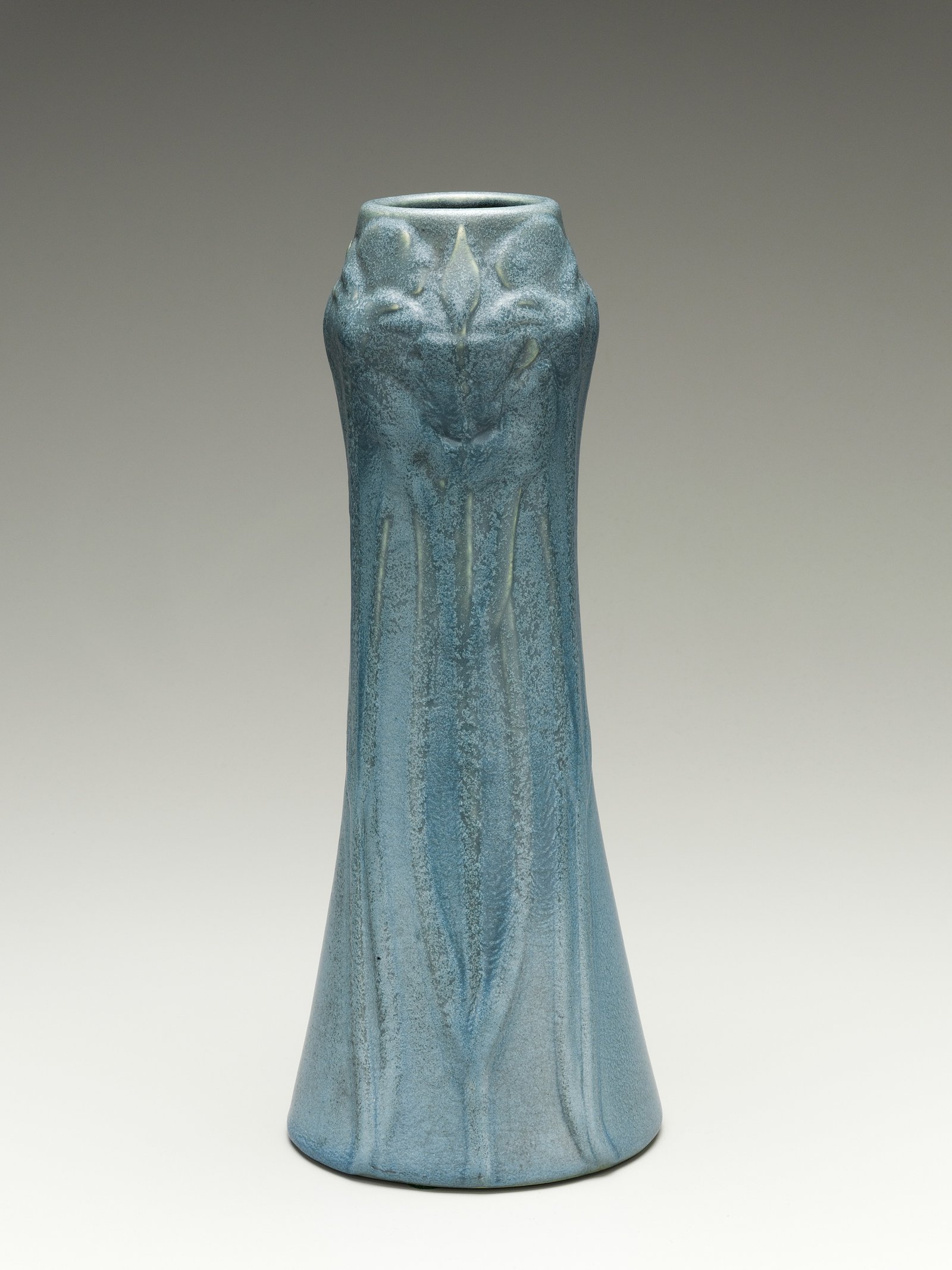
Van Briggle pitchers blend the pottery’s Art Nouveau artistry with utilitarian form. While less common than vases, Van Briggle pitchers are distinctive and highly collectible — their handles and spouts showcase the flowing organic lines that define the pottery’s style.
From the earliest years of production through the pottery’s closure in 2012, pitchers offered a functional counterpart to Van Briggle’s decorative pieces. The same matte glazes, sculptural relief work, and organic forms that made Van Briggle vases famous are present in these pouring vessels, making them a compelling addition to any collection.
Whether you are looking for a rare early experimental piece or a charming mid-century example, this guide covers the pitcher’s history, how to identify and authenticate your piece, current market values, and where to find one today.
History & Significance
Pitchers were never as central to Van Briggle’s production as vases and bowls, but the pottery produced them from its earliest years. Early pitchers exhibit the same matte glazes and sculptural relief work that defined the pottery’s Art Nouveau aesthetic — flowing botanical motifs, naturalistic textures, and the soft deadmatte finishes that Artus Van Briggle pioneered.
The pottery also produced mug sets with carrying holders — a distinctive form that combined multiple mugs with a handled carrier, creating a functional set that doubled as a decorative display piece. These sets are uncommon survivors and are sought after by collectors who appreciate the pottery’s utilitarian side.
Some Van Briggle pieces occupy an interesting middle ground between pitcher and vase. These “pitcher vases” feature a vase form with a slight spout and handle, bridging the decorative and functional traditions. They are often classified differently by different sellers, which can make searching for them a rewarding treasure hunt across multiple categories.
Collectors have documented intriguing examples over the years: a brown experimental-glazed milk pitcher with unusual marks found inside the vessel, and an 11-inch Black Glaze Pitcher Vase dated 1949 that demonstrates the pottery’s continued exploration of the form well into the mid-century period.
Identifying Authentic Van Briggle Pitchers
Van Briggle pitchers carry the same bottom marks as other pieces from the pottery. The conjoined “AA” monogram, “VAN BRIGGLE” or “VB” lettering, and location marks follow the same progression through the pottery’s eras as vases and bowls.
Some early experimental pitchers may carry unusual marks — marks found inside the vessel rather than on the bottom, or hand-incised notations that differ from the standard production marks. These anomalies do not necessarily indicate a fake; early experimental pieces sometimes received non-standard treatment.
However, proper mark identification is critical. Not every piece that looks like Van Briggle is Van Briggle. One instructive example from the collector community involved a piece bearing a “Dayden” signature that was initially assumed to be Van Briggle due to its similar style and glaze — but was in fact from an entirely different maker. This underscores the importance of verifying marks against known examples rather than relying on visual similarity alone.
For a comprehensive guide to reading Van Briggle bottom marks across all eras, see our Markings & Identification Guide. For help pinpointing the exact decade your piece was made, consult our Dating Your Pottery guide. The Collector’s Encyclopedia of Van Briggle Art Pottery catalogues hollowware forms across eras, making it easier to distinguish Van Briggle pitchers from similarly-glazed Roseville and Weller examples.
Pitchers are top-heavy and prone to tipping, especially on open shelves. A dab of museum putty or gel under the base keeps the piece stable without leaving residue on the glaze.
Current Market Value
Van Briggle pitchers are less frequently encountered at market than vases, which can make pricing less predictable. The following ranges reflect recent sales and current listings across major platforms.
| Era / Type | Price Range | Notes |
|---|---|---|
| Early (pre-1920) | $300–$2,000 | Rare survivors with hand-incised marks and matte glazes. Experimental pieces command the highest prices. |
| 1920s–1940s | $100–$500 | More commonly found than earlier examples. Look for the “COLO. SPGS.” mark addition. |
| Mid-Century (1950s–1960s) | $50–$250 | Good display pieces at accessible prices. The 1949 Black Glaze Pitcher Vase is a notable example from this era. |
| Modern (1970s–2012) | $30–$150 | Etsy currently lists a Van Briggle Mulberry Matte Pitcher Creamer at around $125. |
| Mug Sets with Carrier | $75–$300 | Complete sets with the carrying holder command a premium. Incomplete sets are valued significantly less. |
Condition caveat: Pitchers see more handling than purely decorative pieces, so chips to spouts, handles, and rims are common. A pitcher with an intact handle and unchipped spout is worth significantly more than one with damage to these vulnerable areas. Always ask sellers for close-up photographs of the handle attachment points, spout edge, and rim.
Where to Find Van Briggle Pitchers
Pitchers are less commonly listed than vases, so finding the right piece may take patience. Setting up saved searches with alerts is the best strategy for these less-frequent forms.
eBay
eBay is one of the best bets for finding Van Briggle pitchers. Search for “Van Briggle pitcher” and “Van Briggle creamer” to catch listings under different descriptions. Use the “Sold Items” filter to see actual sale prices rather than asking prices, which can be inflated.
Etsy
Etsy regularly has Van Briggle pitchers and creamers listed by vintage dealers. Prices tend to be fixed rather than auction-based, and sellers often provide detailed photographs and measurements. This is a good platform for mid-century and modern pieces.
Auction Houses
Major auction houses occasionally feature early Van Briggle pitchers, particularly when they appear as part of larger pottery collections. LiveAuctioneers and Invaluable aggregate listings from hundreds of auction houses, making them the most efficient way to monitor for early examples coming to market.
Antique Shops & Shows
Because pitchers are less well-known than the Lorelei or other signature Van Briggle forms, they are sometimes underpriced at general antique shops where dealers may not specialize in art pottery. Antique shows in Colorado and the broader Mountain West region are particularly good hunting grounds.
Photo Gallery
Related Buying Guides
Explore our other Van Briggle buying guides for specific forms and the complete buying resource.
Complete Buying Guide
Where to buy, what to look for, values by era, and tips for building a collection.
← Back to guideLorelei Vase
Van Briggle’s most iconic design, the siren draped over the vessel rim. History, values, and where to find one.
Buying guide →Flower Frog
Scarab, fly, and snail figurals plus standard production. Some of Van Briggle’s most charming small pieces.
Buying guide →Tulip Vase
One of the most recognizable Van Briggle forms, produced across every era of the pottery’s history.
Buying guide →Bud Vase
Elegant small vases in Van Briggle’s signature matte glazes. Perfect starter pieces for new collectors.
Buying guide →Bookends
Early collectible bears, wolves, and owls plus late commercial squirrels, eagles, dolphins, and conquistadors.
Buying guide →Blue Vases
Turquoise Ming and the other Van Briggle blues, how the blue changed by decade, and sold prices.
Buying guide →Mulberry Vases
The deep red-purple used until 1946, and how to tell it from Persian Rose and later roses.
Buying guide →Lamps
Brass-shade art lamps, mid-century figurals with butterfly shades, and converted vases. How to tell them apart and what they sell for.
Buying guide →Animal Figurines
Kinkead’s 1916 bunny, mid-century elephants and donkeys, tall standing cats, and the Chimney Cat.
Buying guide →Bowls
Dragonfly bowls and their three-frog frogs, Siren of the Sea and Lady of the Lake centerpieces, console and rose bowls.
Buying guide →Candle Holders
From J. Emma Kinkead’s 1911 lizard candlestick to mid-century tulip pairs. Designs, marks, and sold prices.
Buying guide →Indian Maiden & Indian Head
The three-face “Indian Head” vase, corn grinder figures, and the “Little Star” plaque.
Buying guide →Reference Books
Price guides, marks references, and histories for Van Briggle and the major American art potteries.
Browse the books →