The tool list for collecting Van Briggle is shorter than it looks. After a few years of picking up pieces at estate sales, antique malls, and the occasional online listing, we’ve settled into a small kit that stays on the shelf next to the collection and comes out for almost every piece that comes through our hands. Nothing exotic, nothing expensive. Just the five or six things that make the difference between buying well and buying blind.
Here’s what lives in our kit and why.
Identification
More money gets lost on misidentified pottery than on anything else in this hobby. Three tools cover most of the territory.
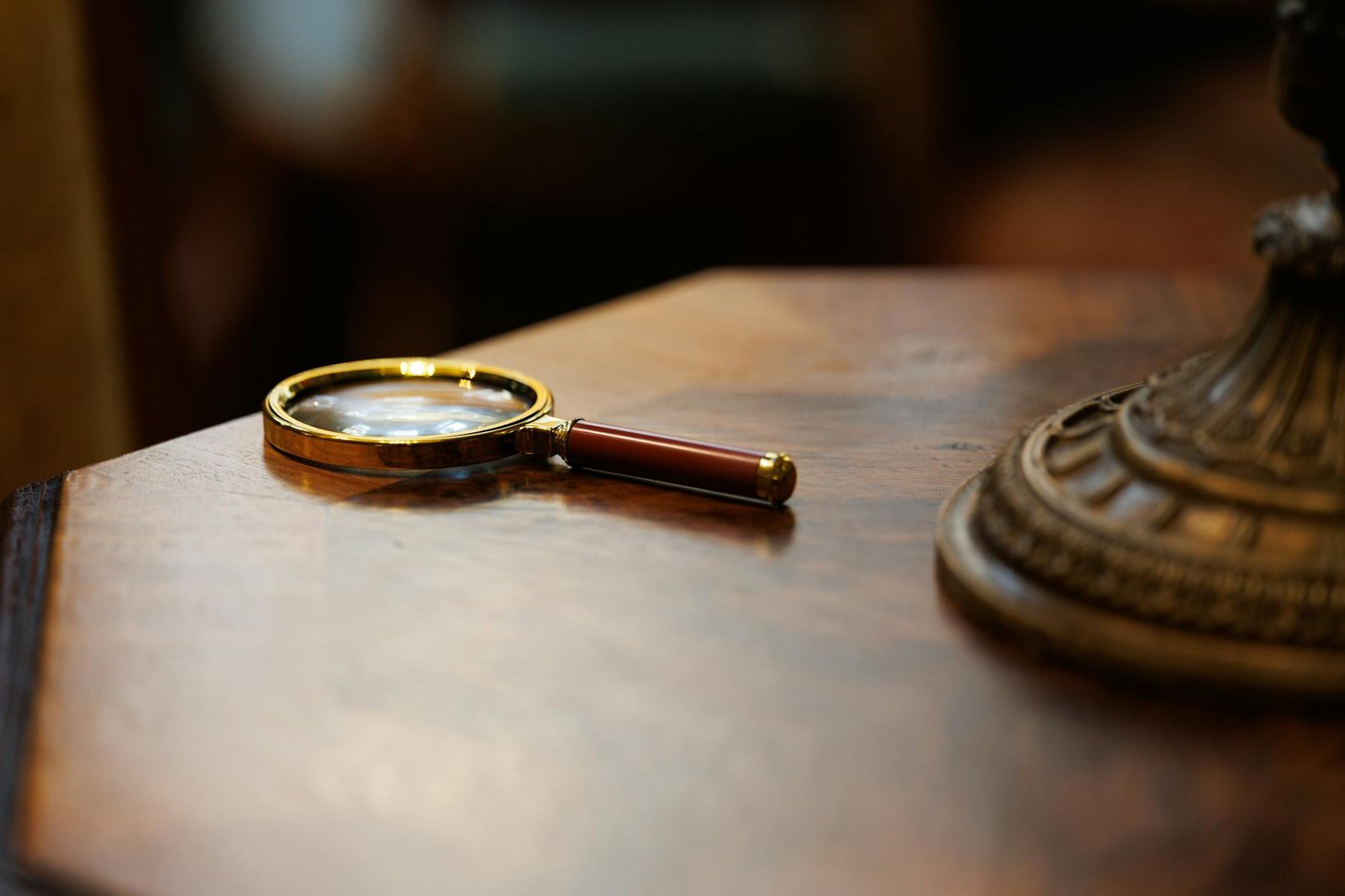
A 10x jeweler’s loupe. A good triplet loupe is the single most useful thing we own for reading marks. Van Briggle bottom marks can be worn, partially glazed over, or so faint they look like pressed texture until you get close. A loupe turns most of them into something readable. We use ours daily on new pieces and keep one at our desk for the piece-at-a-time research sessions. If you want to see the kind of marks collectors end up puzzling over, our markings reference page walks through the eras and style changes.
A UV blacklight. Repairs fluoresce differently than original glaze under ultraviolet, and the difference is usually obvious. A cheap handheld UV flashlight has saved us from paying Van Briggle prices for Van-Briggle-with-invisible-repair prices more than once. We wrote up the full case for it in our researching your pieces post, which goes into why restorations show up and what a clean piece looks like under the light.
The Sasicki book. The Collector’s Encyclopedia of Van Briggle Art Pottery is the reference we keep within arm’s reach. Over 800 pieces documented, eras broken down clearly, and a pricing guide that is useful even when the market has moved since the book went to press. For a piece of any consequence we cross-check the mold, the mark, and the glaze against the photos before we make an offer. It is the first entry in our art pottery reference books guide, which rounds up price guides and histories for the other major makers too.
Handling
Oil and dust both do quiet damage to unglazed bisque bottoms over time. Fingerprints darken. Old dust works its way into crazing. Neither is catastrophic, but once you notice the pattern you start handling pieces differently.
Cotton gloves. A pack of archival cotton gloves costs less than ten dollars and lasts years. We keep a pair in the display cabinet drawer and use them any time we’re moving a piece, photographing the bottom, or cleaning. They also give you a better grip on wet pottery, which matters after a wash. We wrote up our full cleaning approach in cleaning your Van Briggle pottery if you want the broader context.
Measurement
A set of dimensions is the one piece of data that travels with a piece for its entire life. Mark photos wear out, descriptions get paraphrased in each new listing, but a height and widest diameter in a spreadsheet or filename will still be readable in twenty years.
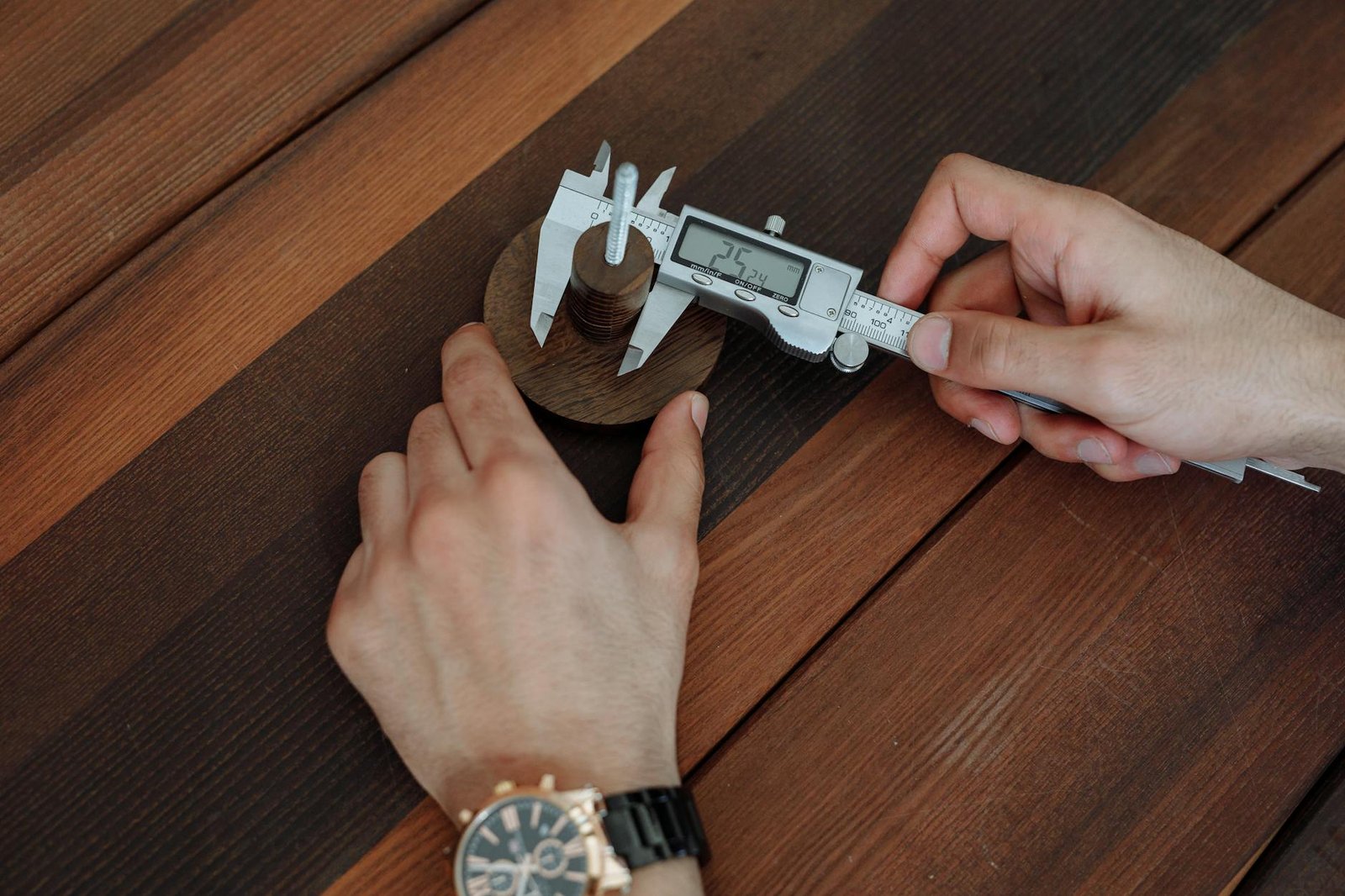
A 6-inch digital caliper is the tool for this. It reads to a hundredth of an inch, handles both customary and metric at a button press, and fits in any drawer. We have a separate full post on measuring your Van Briggle pottery covering exactly what to measure and how to record it.
Storage
Storage is where slow damage happens. Regular tissue paper and newspaper both transfer acids and dyes over years. Colored tissue is worse. For pieces that aren’t currently on display, we wrap them in acid-free archival tissue, which is lignin-free and unbuffered and doesn’t off-gas into the glaze crazing over time. A pack of 200 sheets is the work of an evening to wrap a small collection and lasts long enough that we’ve only bought it twice.
For pieces that stay on shelves, the bigger risk is a knocked-over piece rather than long-term chemistry. We anchor anything valuable to the shelf with museum putty, gel, or wax. The gel is reversible, leaves no residue on the bottom if applied in small amounts, and is the reason three pieces are still intact in our house rather than in pieces on the floor from the time a bookcase got bumped during a kitchen remodel. The investment is under ten dollars. The alternative is a replacement cost that starts in the hundreds.
Display
The right stand turns a piece from “sitting on the shelf” to actually visible. For plates and tiles especially, a tilt matters.
Iron plate display stands. A simple set of iron plate stands in three sizes covers most of what you’ll need. The iron is heavy enough to hold tiles and bowls without sliding, the finish is flat enough not to compete with the pottery, and a six-pack runs under ten dollars. We use ours for Van Briggle tiles, for the occasional saucer, and for any bowl that looks better tilted than flat.
For pedestal pieces that need height, small pieces of museum gel on the foot handle most of the stability problem. For fragile or top-heavy pieces, a museum-grade plate stand with a back support becomes worth the extra cost.
A note on books
Most of our book collection for Van Briggle and adjacent pottery gets covered in the researching your Van Briggle pieces post, which lists the references that go beyond Sasicki. For Van Briggle alone, Sasicki is the one to own first. For a broader American art pottery view, there are a handful of others that deserve a spot on the shelf, and that post covers which and why.
The whole kit, in one place
Loupe, UV flashlight, Sasicki encyclopedia, cotton gloves, digital calipers, acid-free tissue, museum gel, plate stands. Eight items, total cost well under two hundred dollars, and between them they handle almost every routine collector situation we’ve run into. If you already have a few Van Briggle pieces and are thinking about taking the collecting more seriously, this is the point at which it starts paying for itself. A single identification catch or avoided fake will cover the whole kit several times over. For tracking the broader market the kit supports, our values and prices reference has the numbers that justify the care.